Our Therapies

Discover our comprehensive range of specialized therapies. Each treatment is individually tailored to your needs.

Medical pain therapy as needed

Medical pain therapy as needed

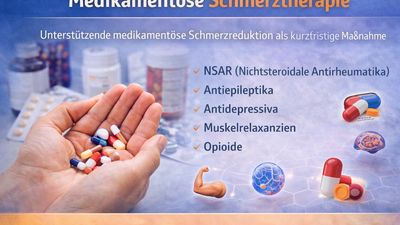
Medical pain therapy serves the temporary relief of pain, especially in acute phases or in case of severe complaints. Medications can help reduce pain, inhibit inflammation, and improve short-term mobility. In our practice, they are not used as a permanent solution, but exclusively as a supportive, short-term measure. Important drug groups: NSAIDs (non-steroidal anti-inflammatory drugs) E.g. ibuprofen, diclofenac Have a pain-relieving and anti-inflammatory effect, especially in acute inflammatory complaints of the musculoskeletal system. Antiepileptics E.g. gabapentin, pregabalin Used for neuropathic pain, as they reduce the overexcitability of nerves. Antidepressants E.g. amitriptyline, duloxetine Are used in low doses for chronic pain syndromes and influence the pain processing in the nervous system. Muscle relaxants Used for the short-term solution of pronounced muscle tension and to relieve painful muscle groups. Opioids (Opiates) Are only used in selected cases with severe pain and are subject to strict indication and close control. Principle of our therapy Medications can relieve pain, but do not remedy the cause. The aim of our pain therapy is therefore to limit drug treatments to a minimum and to combine them sensibly with cause-oriented procedures such as manual therapies, injection techniques, exercise therapy and active exercises.
Learn More

Botox Therapy

Botox therapy (botulinum toxin) is a modern and effective method for treating certain chronic pain conditions. In this procedure, botulinum toxin is precisely injected into overactive or tense muscles to temporarily reduce their activity. Botulinum toxin blocks the transmission of signals between nerves and muscles, leading to relaxation of the treated muscles and a significant reduction in pain. In addition, it influences the release of pain-mediating neurotransmitters, further decreasing pain perception. This therapy has proven particularly effective in conditions such as chronic muscle tension, tension headaches, migraines, and certain types of neck and back pain. The effects typically begin within a few days and can last for several weeks to months. The treatment is generally well tolerated and can be repeated at regular intervals if necessary. The goal of treatment is to relax overactive muscle structures, regulate pain processes, and sustainably improve mobility—while also reducing the need for medication. If you’d like, I can also create a shorter version, a more marketing-focused version, or a simplified patient-friendly version.

Learn More

Hypnosis

Medical hypnosis is a modern and effective method in pain therapy that directly influences the nervous system and the way pain is processed in the brain. During hypnosis, the patient enters a state of deep relaxation and focused attention. This allows the perception of pain to be specifically modified and reduced. During the session, targeted verbal techniques are used to calm the nervous system, release muscular tension, and modify established patterns of chronic pain processing. This method has shown particularly good results in chronic pain conditions such as back pain, headaches, and nerve-related pain. Medical hypnosis helps to reduce pain perception, strengthen self-regulation, and promote a deep sense of relaxation and well-being. At the same time, it can help break the cycle of chronic pain by positively influencing both physical and psychological factors. The goal of treatment is to support the body’s natural pain regulation, reduce the need for medication, and achieve a sustainable improvement in quality of life and mobility.

Learn More
Therapeutic local anaesthesia (TLA)

Therapeutic local anaesthesia (TLA)

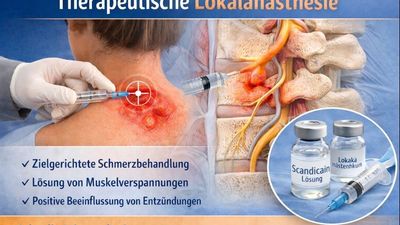
Therapeutic local anaesthesia is an effective procedure in pain therapy. A locally active anaesthetic (usually a low-dose local anaesthetic) is specifically injected into pain-triggering structures such as muscles, trigger points, tendon attachments, nerve or joint areas. The local anaesthetic temporarily blocks the transmission of pain impulses in the nervous system. As a result, the existing pain stimulus is interrupted, tense muscles can relax and so-called pain cycles are broken through. At the same time, local blood circulation improves, which supports the body's own regeneration processes. The goal of therapeutic local anaesthesia is not only a short-term pain relief, but the sustainable normalisation of disturbed pain and tension patterns in order to improve movement and function in the long term.

Learn More
Perineural injection therapy with glucose (PIT)

Perineural injection therapy with glucose (PIT)

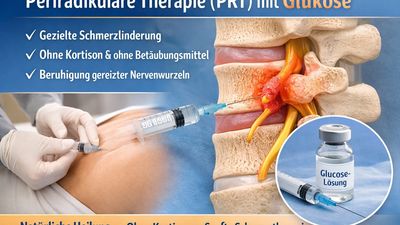
Periradicular therapy with glucose is a targeted procedure for the treatment of pain caused by irritated or inflamed nerve roots - for example, in the case of back, neck or radiating nerve pain. A low-concentrated glucose solution is precisely injected into the environment of the affected nerve root. Glucose has a regulating effect on nerve function, reduces neurogenic inflammatory processes and soothes overexcited pain fibres. This dampens the transmission of pain impulses and supports the regeneration of the nerve tissue. In contrast to classic injection methods, the PRT with glucose without cortisone and without local anaesthetics and is therefore particularly gentle and well tolerated. The aim of the treatment is to influence pain causally, to stabilise the nerve function and to sustainably improve mobility.

Learn More